Camera Basics · Buying Guide
DSLR vs Mirrorless Cameras: Which Should You Buy in 2026?
If you are shopping for your first interchangeable-lens camera—or wondering whether to replace an older DSLR—the biggest decision is often not the brand. It is whether to choose a DSLR or a mirrorless system. Both can make beautiful photographs. The smarter purchase depends on what you shoot, how you like to work, and which lenses you can afford.
DSLR vs Mirrorless: What Is the Actual Difference?
A DSLR (digital single-lens reflex camera) uses a mirror to direct light from the lens into an optical viewfinder. When you press the shutter, the mirror moves out of the way so the sensor can record the image. A mirrorless camera removes that mirror mechanism. Its sensor supplies the image you see on the rear screen or through an electronic viewfinder (EVF).
This design difference changes the shooting experience more than it changes image quality. A modern APS-C DSLR and an APS-C mirrorless camera can both produce detailed, printable files. Lens quality, exposure, lighting, and technique matter far more than the presence or absence of a mirror.
The practical question is whether you prefer seeing the scene directly through glass or seeing a digital preview that can display exposure, white balance, focus aids, and other information before you shoot.
DSLR vs Mirrorless: Quick Comparison
| Feature | DSLR | Mirrorless |
|---|---|---|
| Viewfinder | Optical, no display lag | Electronic preview, exposure aids |
| Autofocus | Often excellent through optical finder; live view varies | Modern subject and eye tracking are often easier to use |
| Body size | Often larger with a substantial grip | Can be smaller, though lenses still determine kit size |
| Battery endurance | Often strong with optical finder | Often shorter due to screen/EVF use |
| Video | Varies widely by model | Generally stronger choices among newer designs |
| Lenses | Large used selection for established mounts | Growing native systems; some DSLR lenses work via adapters |
| Value | Attractive used-camera bargains | Better long-term access to many newer systems |
These are broad tendencies, not universal rules. Compare specific cameras rather than assuming every mirrorless body beats every DSLR.
1. Image Quality: Is Mirrorless Actually Better?
Not automatically. Sensor size, sensor generation, dynamic range, noise performance, and the lens are the main factors. Both formats are available with APS-C and full-frame sensors. A well-exposed RAW file from a capable DSLR can be just as useful for portraits, landscapes, and prints as a file from a comparable mirrorless model.
Mirrorless systems may offer newer computational features and faster readout in some models, but those are model-specific advantages. If your photos look soft, a better lens, faster shutter speed, or more accurate focus may help more than switching camera types.
2. Autofocus: Where Newer Mirrorless Cameras Often Pull Ahead
Autofocus is one of the strongest reasons to consider mirrorless in 2026. Many current models can identify eyes, faces, animals, or vehicles across much of the frame. That can make portraits, moving children, pets, and video easier. Traditional DSLRs can focus extremely well through the optical viewfinder, particularly higher-end models, but their live-view and video autofocus performance varies considerably.
Do not judge autofocus by the number of focus points alone. Check how reliably the camera tracks your actual subject, whether it works in dim light, and how straightforward the controls feel.
3. Viewfinder Experience: Optical vs Electronic
An optical viewfinder gives you a natural, direct view with no electronic refresh. Photographers who spend long hours shooting wildlife, sports, or events may enjoy that experience. An electronic viewfinder can show the approximate brightness and color of the final photograph, a live histogram, magnified manual focus, and focus peaking. For beginners, these visual aids can speed up learning.
EVF quality differs. Look through the actual camera if possible: resolution, refresh rate, blackout, and comfort all matter. Glasses wearers should also check eyepoint and diopter adjustment.
4. Battery Life, Weight, and Travel
Because DSLRs can use an optical finder without continuously powering a display, many deliver longer battery life per charge. Mirrorless bodies often rely on an EVF or screen, which uses more power. Carrying a spare battery is a sensible habit either way.
Mirrorless bodies can be compact, but a large fast zoom can erase the weight advantage. Compare the complete kit: camera, the lens you will actually use, charger, and spare battery. A comfortable grip may be more important than shaving a few grams off the body.
5. Video: A Major Reason to Consider Mirrorless
If you plan to make tutorials, travel videos, interviews, or short-form content, mirrorless is usually the easier place to start shopping. Newer systems often offer better continuous autofocus, more flexible screen designs, and stronger video-focused features. But read the exact specifications: 4K recording can involve crops, time limits, overheating constraints, or reduced autofocus options depending on the camera.
Also check whether you need a microphone input, headphone monitoring, stabilization, and clean HDMI output. A camera with excellent still-photo specifications may not have the video features you want.
6. Lenses and Long-Term Cost
A camera body is only the start of a system. Compare the total price of a standard zoom, a bright portrait prime, and any specialty lens you may want later. DSLR mounts such as Nikon F and Canon EF have extensive secondhand inventories, sometimes making a used DSLR kit especially affordable.
Mirrorless mounts such as Canon RF, Nikon Z, Sony E, and Fujifilm X offer different lens ranges and third-party options. Adapters can help reuse certain DSLR lenses, but autofocus, size, and compatibility can vary. Check the exact lens-and-adapter combination before buying.
Five Real Cameras That Illustrate the Difference
The following examples are not a ranked “top five.” They show how different camera systems fit different photographers. Availability and used prices vary by country and seller.
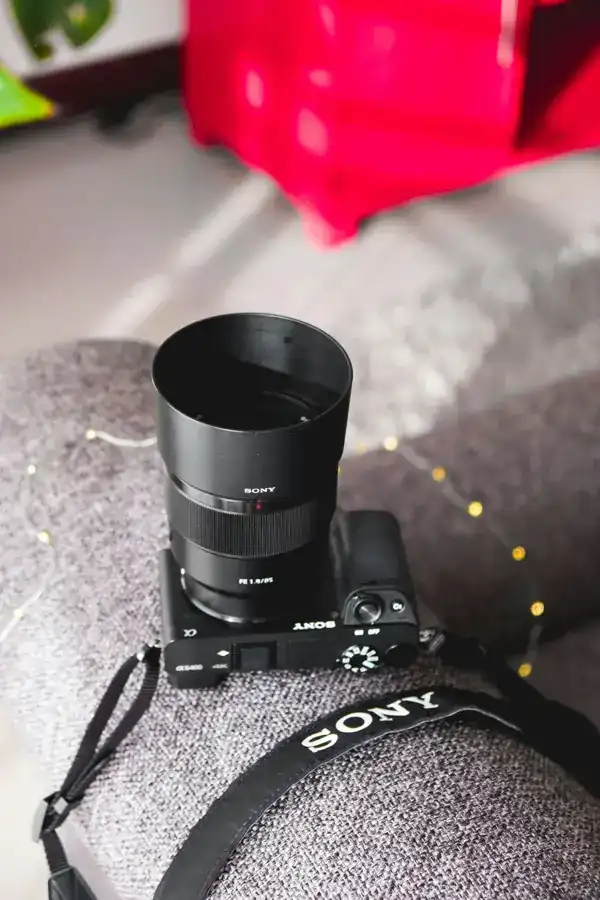
Sony a6400 — Compact APS-C Mirrorless
The Sony a6400 is a useful example of a relatively compact interchangeable-lens mirrorless camera. Its E-mount ecosystem offers many lens choices. It can suit travel, everyday photography, and photographers who value subject-tracking autofocus. Because it is an older model, compare its ergonomics, stabilization needs, and video conveniences with newer alternatives before purchasing.
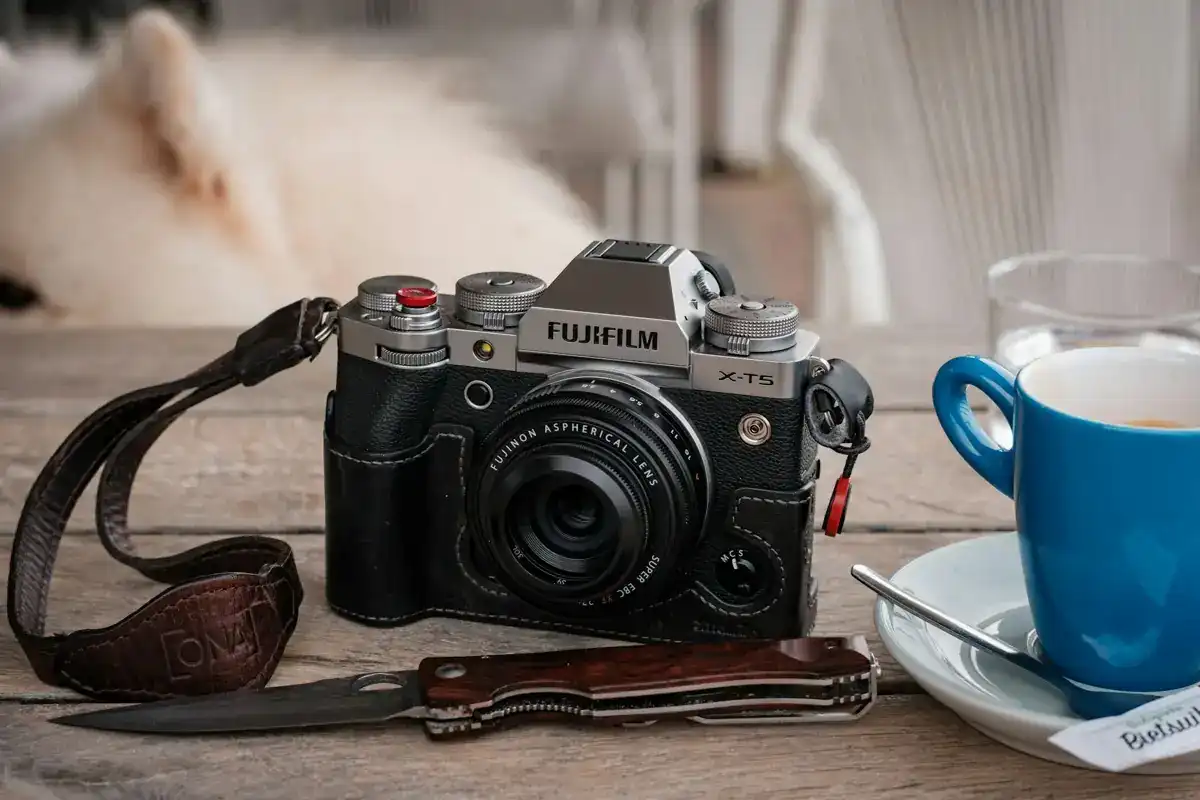
Fujifilm X-T5 — Enthusiast APS-C Mirrorless
The Fujifilm X-T5 illustrates how mirrorless does not always mean a minimalist camera. Its physical dials and photography-focused controls appeal to people who enjoy hands-on operation. It is a more advanced, higher-cost choice than many first-time buyers need, but it demonstrates the creative appeal of a modern APS-C system.
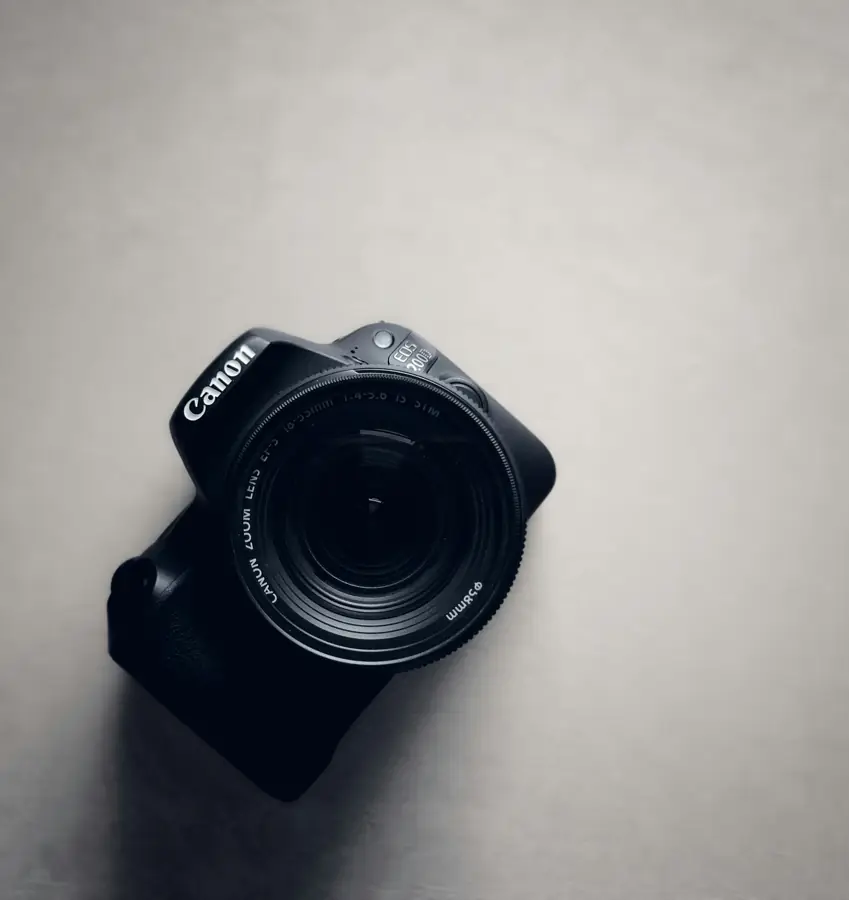
Canon EOS 200D (Rebel SL2) — Beginner-Friendly DSLR Example
The Canon EOS 200D, also called Rebel SL2 in some markets, is an example of a small DSLR built for learning. It offers an optical viewfinder and access to compatible EF and EF-S lenses. As an older model, it makes most sense when found in good condition at an appealing used price. Check shutter operation, sensor cleanliness, battery health, and lens condition.
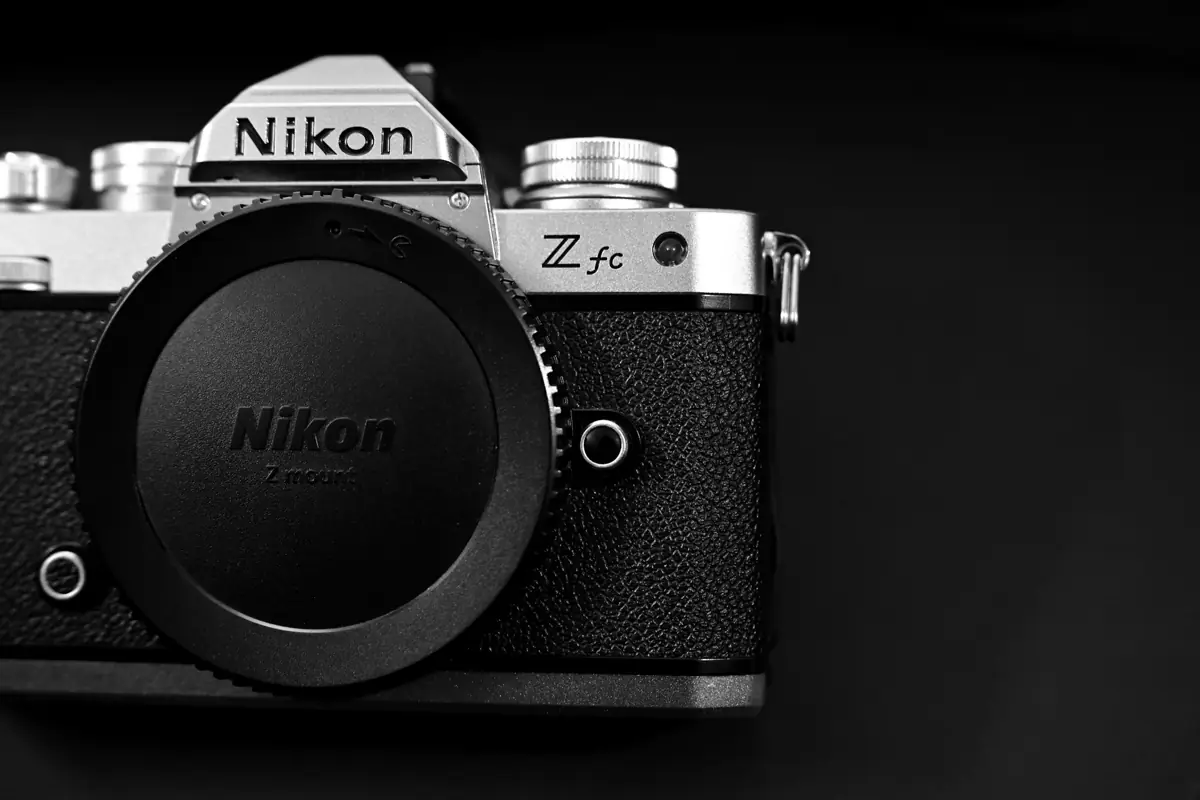
Nikon Z fc — Mirrorless With Classic Controls
The Nikon Z fc shows that choosing mirrorless does not require giving up a traditional camera feel. Its retro-inspired exterior and manual-style controls can make exposure settings engaging to learn. Its APS-C Z-mount system should be evaluated together with the lenses you want, not just the appearance of the camera body.
Sony Alpha 7 III — Full-Frame Mirrorless Example
The Sony Alpha 7 III is a full-frame mirrorless model that illustrates the move toward larger-sensor systems. It remains capable for many still-photo uses, but it is not automatically the best first camera. Full-frame lenses may cost and weigh more, and newer cameras can offer refinements in tracking and video. Compare the complete lens kit before committing.
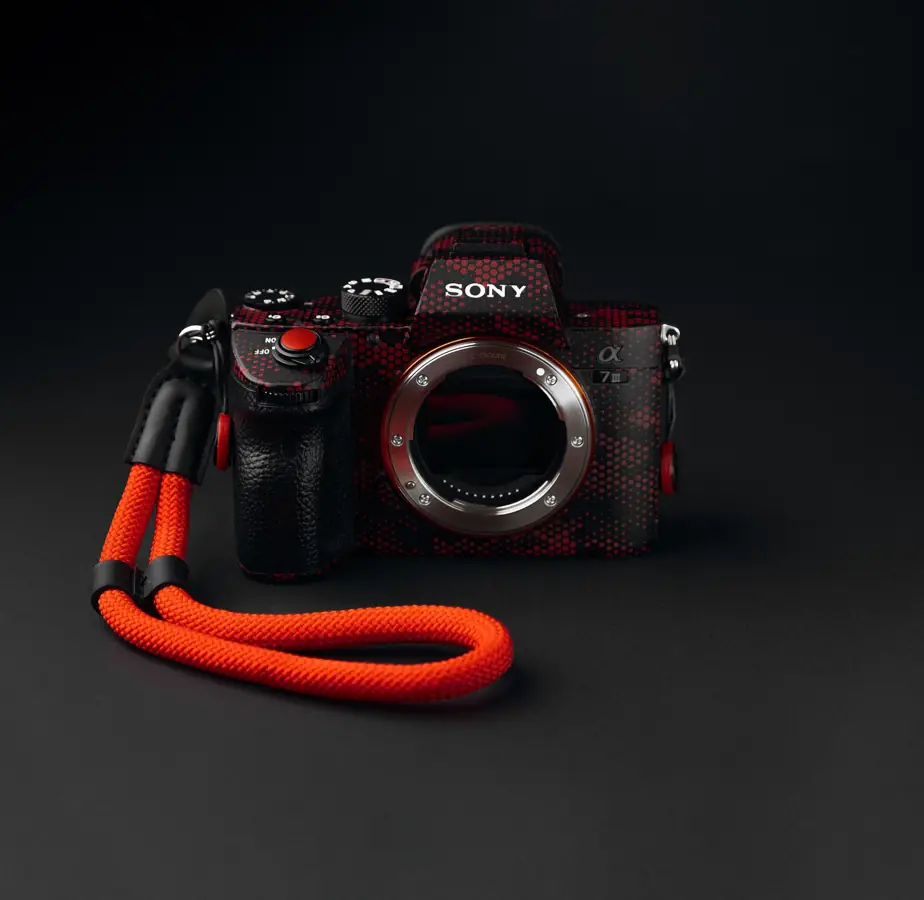
Photo note: These five image slots are placeholders for licensed, model-specific photographs. The reference links under each slot are for image selection and license review. No Amazon affiliate links have been added or fabricated.
Which Should You Buy in 2026?
Choose a Mirrorless Camera If…
- You are starting from scratch and want access to actively developing camera systems.
- You photograph people, pets, or movement and value easy eye or subject tracking.
- You shoot both photographs and video.
- You like seeing exposure and white balance before pressing the shutter.
- You want a compact kit and can find lenses that keep it compact.
Choose a DSLR If…
- You already own compatible lenses and enjoy using them.
- You prefer an optical viewfinder and a substantial grip.
- You can find a carefully checked used kit at a meaningful discount.
- You mainly shoot still subjects, portraits, landscapes, or everyday photographs.
- You value battery endurance and do not need the latest video features.
How to Avoid a Bad Purchase
- Set a total kit budget. Include at least one lens, memory card, spare battery, and bag.
- Try the controls. Grip comfort, menu clarity, and viewfinder usability are personal.
- Check the lenses first. Make sure the system has an affordable lens for your favorite subjects.
- Compare autofocus on your subjects. Test moving people, pets, or low light if those matter to you.
- Inspect used equipment. Check sensor, shutter, ports, buttons, screen, mount, and return policy.
- Ignore spec-sheet pressure. A camera you enjoy carrying is often more useful than one with features you never use.
Our Verdict
For most first-time buyers building a new system in 2026, mirrorless is the more flexible long-term starting point. Newer autofocus and video features can make learning easier, and many brands are concentrating their development there. But a good DSLR is not obsolete. If you already own DSLR lenses—or find a reliable used kit at a substantially better total price—it can still be an excellent photography tool.
The best camera is the one that fits your subjects, your hands, and your budget. Spend less time arguing about mirrors and more time making photographs.
Frequently Asked Questions
Are DSLR cameras still worth buying in 2026?
Yes, particularly used DSLRs with compatible lenses at attractive prices. Their value depends on condition, system compatibility, and the features you need.
Do mirrorless cameras take sharper photos?
Not inherently. Sharpness depends on focus accuracy, lens quality, shutter speed, technique, and sensor performance.
Is mirrorless better for beginners?
Often, because exposure previews and modern autofocus can reduce frustration. But a simple DSLR can also be a strong learning tool.
Can I use DSLR lenses on mirrorless cameras?
Some DSLR lenses work through mount-specific adapters. Check compatibility and performance for your exact lens and camera.
Which is better for wildlife photography?
It depends on autofocus tracking, lens reach, burst performance, battery life, and budget. Modern mirrorless tracking can help, while used DSLR telephoto kits can offer good value.